
The Trigger: A New Kind of Target
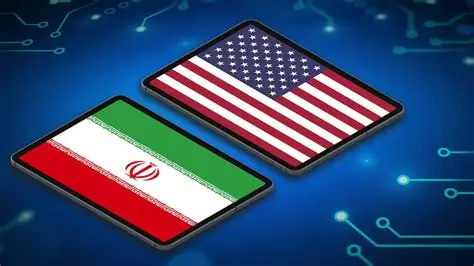
In a major escalation, Iran’s Islamic Revolutionary Guard Corps has reportedly warned that it may target around 18 American companies operating in the region. Among them are global tech giants like Microsoft, Google, Apple, Meta, Tesla, Amazon, NVIDIA and Intel. This is not a routine geopolitical statement. It signals a deeper shift—from targeting military bases to targeting technology ecosystems. If states cannot be hit directly, their economic and digital backbone becomes the next target.
A Shift in Warfare: From Oil to Algorithms
For decades, conflicts in West Asia revolved around oil and territory. Now, something fundamental is changing. Technology companies are no longer neutral—they are being treated as strategic assets. Cloud systems, artificial intelligence, communication platforms, and data networks have become the invisible infrastructure of modern life. So when companies like Google or Microsoft are threatened, it is not just about companies—it is about everything connected to them.
Why This Matters More to India Than It Appears
At first glance, this looks like a conflict between Iran and the United States. But India is deeply integrated into this global tech ecosystem. That means even a disruption far away can directly affect daily life in India.
When Technology Is Hit, Daily Life Feels It
Imagine waking up and your digital routine stops working. If Google systems are disrupted, Gmail may stop, Maps may fail, and YouTube may not load. If Microsoft systems are affected, office work, online classes, and company servers can stop functioning. If platforms run by Meta are hit, communication itself breaks down—messages don’t go through, businesses cannot coordinate. This is the new reality: war is no longer distant—it reaches your phone.
The Hidden Layer: Payments and Banking
The deeper risk lies in digital payments. India’s daily transactions depend on stable internet and global cloud systems. If these are disrupted, payment apps may fail, online banking may slow down, and transactions may not go through. Even a simple act like paying at a shop can become uncertain.
Travel, Flights, and Movement
Air travel also depends on global digital systems. If these systems are affected, flights may be delayed, booking systems may fail, and airport operations may slow down. A distant geopolitical conflict can suddenly disrupt your travel plans.
Jobs, Income, and Economic Ripple Effects
India’s IT sector is closely tied to these global companies. If their operations are disrupted, projects may pause, companies may lose revenue, and job security may be affected. Even short-term disruptions can create long-term uncertainty for many families.
The Bigger Picture
This situation reveals a major shift in how wars are fought. Earlier, wars affected borders. Today, they affect systems that run everyday life. Even though these are American companies, India’s dependence on them means the impact is direct and immediate.
Conclusion
Iran’s threat to target major technology companies marks a new phase in global conflict. Modern warfare is no longer limited to armies and territory. It now includes data, platforms, payments, and daily life itself. For India, the lesson is clear: geopolitical tensions are no longer distant events—they directly shape how we communicate, work, travel, and live every day.
Political Science By Shahaji Sir