
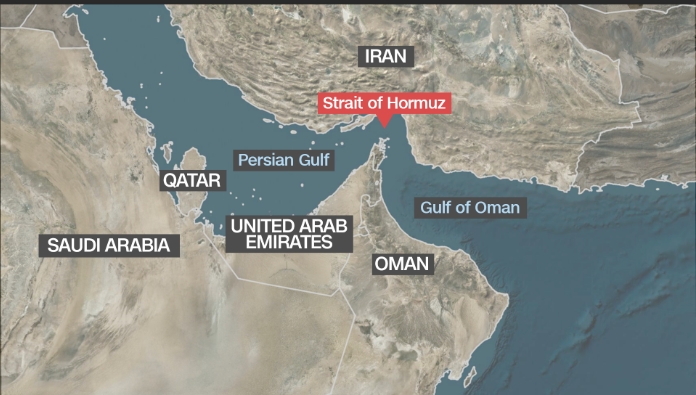
Tensions around the Strait of Hormuz have entered a more volatile phase. What initially revolved around pressure on oil routes is now extending to critical infrastructure, including power plants and desalination facilities.
Recent developments—such as warnings linked to reopening Hormuz and subsequent indications of a temporary pause—suggest a recurring pattern: escalation followed by limited windows for negotiation. This episode highlights how economic chokepoints, infrastructure systems, and civilian vulnerability are increasingly interconnected in modern conflict.
WHY THE STRAIT OF HORMUZ MATTERS
The Strait of Hormuz is one of the world’s most vital energy chokepoints. A substantial portion of global oil and gas exports passes through it. Any disruption has immediate consequences for:
- Global oil prices
- Shipping and insurance costs
- Energy security of major economies
For this reason, control over Hormuz is not merely a regional issue—it carries global strategic significance.
SHIFT FROM OIL TO INFRASTRUCTURE
The nature of the crisis is evolving beyond oil flows to include power and water systems.
- Power plants sustain electricity supply for homes, hospitals, and industry
- Desalination plants convert seawater into drinking water, especially crucial in Gulf countries with limited freshwater resources
Threats to such systems elevate the conflict from economic pressure to human security concerns.
ESCALATION DYNAMICS
Two key patterns can be identified:
1. Retaliatory Signaling
Statements indicate conditional escalation:
- Attacks on power infrastructure may invite responses targeting energy and economic assets across the region
- Potential targeting of transport, energy, and digital systems broadens the scope of conflict
2. Deterrence Through Risk
Both sides appear to rely on deterrence by increasing potential costs:
- Any major strike could trigger significant retaliation
- Civilian-linked systems such as electricity and water heighten political and humanitarian pressure
This creates a high-risk deterrence loop, where each side attempts to prevent escalation by raising the consequences of attack.
HUMANITARIAN DIMENSION
A major concern is the vulnerability of water supply in the Gulf:
- Large populations depend on desalination for drinking water
- Disruption could lead to severe shortages within a short time
Past conflicts demonstrate that damage to such infrastructure can result in significant civilian hardship. If escalation continues in this direction, the situation could shift from a geopolitical crisis to a humanitarian emergency.
TRUMP’S SIGNAL: PAUSE OR TACTICAL MOVE?
Recent remarks attributed to Donald Trump indicate a temporary pause—approximately five days—on targeting certain installations, presented as an opportunity for negotiation.
This move can be interpreted in multiple ways:
- De-escalation window: creating space for dialogue
- Strategic pause: assessing potential retaliation and costs
- Market signaling: influencing oil and financial markets in the short term
Such pauses often function as temporary stabilizers within an ongoing escalation cycle, rather than definitive steps toward resolution.
POSSIBLE SCENARIOS
1. Managed De-escalation
Limited confrontation combined with diplomatic engagement and partial reopening of Hormuz
2. Infrastructure Escalation
Targeting of power or water systems leading to rapid economic disruption and humanitarian stress
3. Regional Spillover
Involvement of additional regional actors, resulting in broader instability in West Asia
UPSC / MPSC LINKAGES
International Relations
- Gulf geopolitics and energy security
- Strategic importance of chokepoints
Security Studies
- Escalation and deterrence dynamics
- Critical infrastructure in modern warfare
Economy
- Oil market volatility
- Supply shocks and inflation
Ethics / Essay
- Civilian infrastructure in conflict
- Humanitarian consequences of strategic decisions
CONCLUSION
The Strait of Hormuz crisis illustrates how modern conflicts can rapidly evolve from economic pressure to civilian vulnerability. When essential systems such as electricity and water become part of strategic calculations, the consequences extend far beyond the battlefield.
The central challenge is no longer just managing escalation, but ensuring that mechanisms for de-escalation remain effective. Without them, geopolitical confrontation risks turning into a wider humanitarian crisis.
Political Science By Shahaji Sir